
Hardly anyone can remember just when we’ve had so much rain in the month of May.
All they remember is the saying…April rains bring May flowers.
But here’s what you need to know about April and May rains, collectively.
They don’t necessarily bring you summer lawn health when the rains go away, the temperatures rise, and your lawn turf suddenly looks like the color of a baseball glove. What happened to all that rain?
The answer is that nature has a way to storing rain in the water table, beneath the root system of your grass plants.
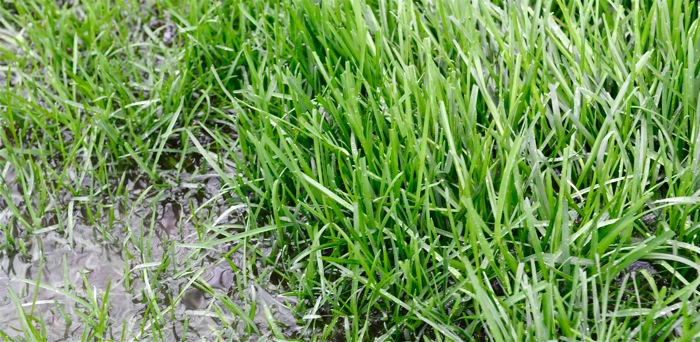
And the other thing you need to know is that excessive rain has a way of washing valuable nutrients out of your turf’s root bed. The technical term is called ‘leetching’, and it amounts to the slow starvation of grass when it’s deprived of both water and nitrogen.
Now you can address the water issue if you have irrigation. But it’s important to know that in cases where you have a very wet spring you have to fertilize – feed, as the Scott’s people promote – your lawn to make sure that it stays thick, green, and healthy.
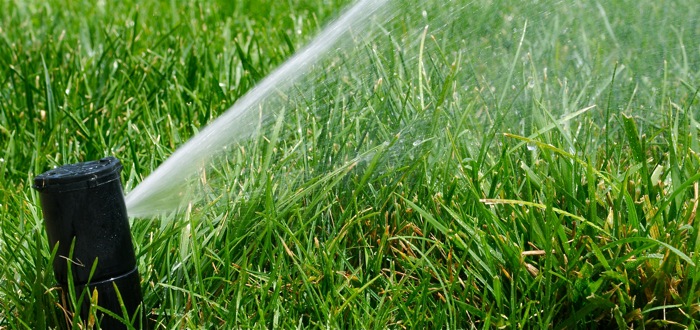
Irrigation is fine, but be sure that your lawn is getting fed with that water in August and September.
If you use a commercial service company you probably have the option of three to five annual applications of a good plant nutrient. And if you do, you’re in good shape. But be advised, for those who advertise that more than three applications of fertilizer to grass plants is a waste of money…understand that grass is just like people. When you’re hungry, you’re hungry. You’ve got to eat.
More than 60% of those who use professional lawn service do opt for the added applications in September and November (5 applications), and if you do you’re lawn should be in good shape as long as. you combine with adequate moisture.
But if you’re a do-it-your-selfer, understand that you need to restore what’s gotten washed away by all that rain in the April and May. All living organisms need to eat.
Make sure your lawn is getting fed.