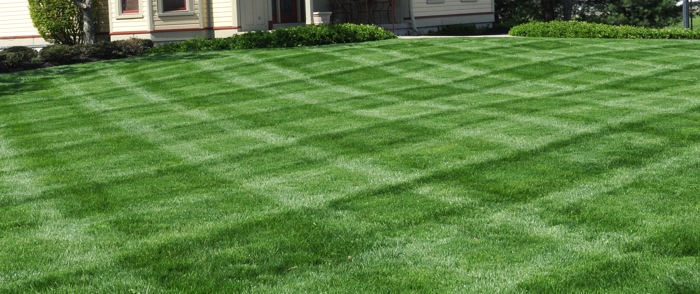

According to the long-range forecasts for July and August, some believe that it’s highly likely that we’ll have more rain than in summers past.
And, we’ve already had more spring rain locally this year, so through late June there should be a healthy water table already to sustain your lawn into fall.
But it also raises the question about how to mow for the added moisture, growth, and maintenance that comes with having more growth components than you need. So how do you mow?
Well, like with dry weather mowing, it’s still a good idea to raise the height of your blades because it helps control the added clippings, which with added heat of July and August can cause disease.
And remember, too, for those that believe that cutting the grass shorter means you don’t have to cut as often…no, it doesn’t work that way. Better to mow on a regular schedule and cut a little off the top because it will promote plant health, deeper root growth, and preservation of ground moisture through shading.
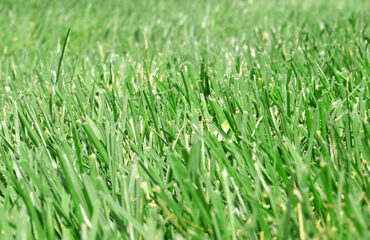
Of course, there are some grass varieties that necessitate shorter height, but most Midwest lawns contain bluegrass, fescue, and rye, which look lush and healthy when mowed at 3.5 inches, even a bit higher.
If you want to maintain a shorter height, mow twice a week instead of once. And in the presence of added rain, try to bag the clippings and get them off the ground. Again, this is good for disease control. Mulching mowers, on the other hand, tend to build up thatch, which can add to the problem. It’s better to use them in hot, dry conditions.
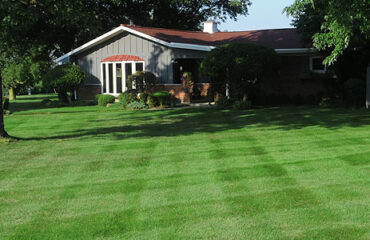
Final word, you really can’t lose by mowing higher in the summer. In dry, hot conditions you’re preserving moisture and plant vigor because taller grass receives less stress, and absorbs more oxygen and airborne nitrogen; and in wet conditions you just have a thicker, greener lawn that sucks up the added rain.
So wet or dry, lift the blade for summer mowing.