
With the recent cold snap and extended temperatures at zero and below, there is concern with some homeowners over prolonged conditions of this type and its potential for damage to their lawn.
Fact, or fiction?
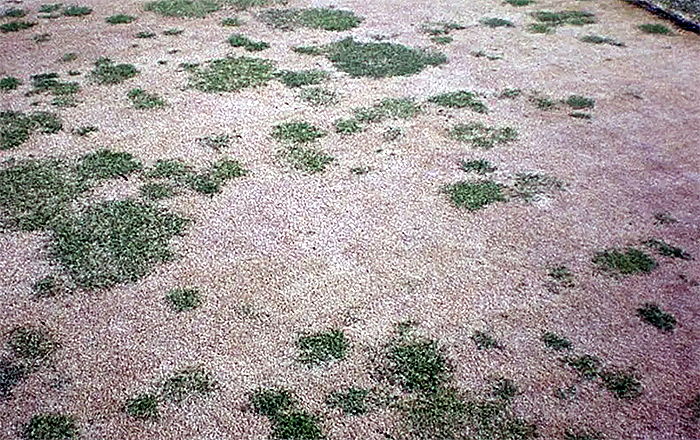
Fact, Dehydration can occur to turf grass when it’s exposed to below zero conditions for extended periods of time. Under these conditions, the exposed turf can lose significant moisture in crown tissues (where new roots, leaves, and stems are produced), resulting in the death of the plant, noticeable come spring.
The advantage for area lawns, however, is another fact…and that is that the deep snow cover that preceded the dangerous temperatures and freezing winds actually acts as an insulation blanket, thereby protecting those same plant tissues – no different that the insulation in your home that keeps cold air out and warm air in.
It’s also noteworthy that during late February and March, temperatures often rise above freezing for a few days at a time. When this happens, some turfgrasses (notably annual bluegrass and perennial ryegrass) can de-acclimate and crowns become hydrated. If a rapid freezing event follows the thaw, ice forms inside the crowns of hydrated turfgrasses and cause ‘winter kill’, where your lawn turns brown, and stays brown, even during the warming weeks of April and May.
But as long as there’s a good snow cover there’s effective natural protection against ‘winter kill’. And it’s also good to remember that after harsh winter conditions it’s all the more important to ‘feed’ (fertilize) your lawn early in the spring (after March 20) and employ weed protection at first notice in order to eliminate competition for available nutrients.
For more information, feel free to call Ever-Green, at 937-335-6418, and consult with our turf professionals. The time and advice is free, of course. Not knowing…can really be expensive.